Tile slip ratings, explained
P3, P5, R11: what the letters mean and which floor needs which.
4 min read
Why slip ratings matter
A floor that's fine when dry can be slippery when wet. Slip ratings tell you how much grip a tile has, so you can match it to where it's going.
The P rating: the wet pendulum test
In Australia, the most common rating is the P scale, from P0 to P5. A pendulum with a rubber slider swings across a wet tile and measures the friction. The higher the number, the more grip.
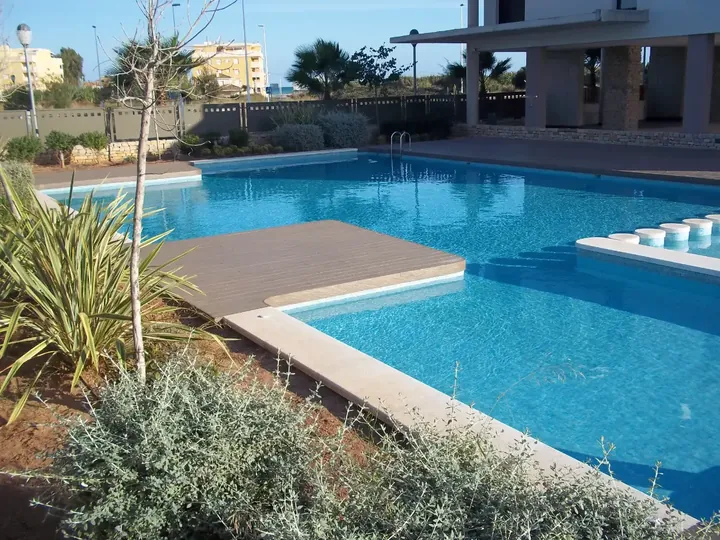
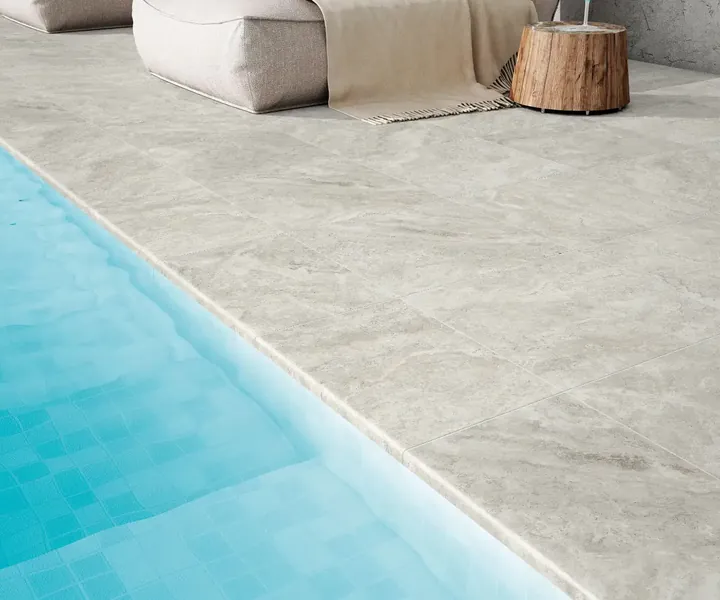
As a rule of thumb, P2 and P3 suit indoor floors, and P4 and P5 suit outdoor areas, ramps and pool surrounds.
The R rating: the oil-wet ramp test
Some tiles also carry an R rating, from R9 to R13. A person in boots walks on an oiled tile on a ramp that tilts until they slip. R9 and R10 are usually used inside, R11 and above outside.
Grip has a trade-off
More texture means more grip, but it also holds dirt a little more, so very non-slip tiles need more cleaning. That's why many ranges come in two finishes: a smoother one for inside and a non-slip one for outside, looking the same side by side.
Who decides
For new builds and some renovations, the building rules set minimums for certain areas. Your builder or certifier has the final say, and we can show you the rating for every tile we stock.